


Science, at its best, is not simply about finding answers. It is about the pursuit of truth through harmony and beauty. Those who work in science will recognise the moment I mean: the aha moment, when something suddenly clicks. But that moment is rarely experienced as “I have found the right answer.” More often, it is felt as “this feels right.” There is a deep sense of coherence, of things fitting together. The truth belongs.
That sense of belonging is important, because truth has become a difficult word in our culture. We speak now of post-truth, or my truth, as though truth itself were fragile, contested, or endlessly subjective. At the same time, many of us are asking very practical questions: How do we know what is really happening in the world? What do we rely on? What is true enough to shape how we live, and how we spend our time and energy?
These questions feel especially acute at the moment. The news is relentless. When powerful leaders speak casually about attacking other countries, when global norms begin to fray, it can feel as though the ground beneath us is shifting. There is a crumbling of what we thought we could rely on.
What many of us are grieving is not only particular events, but a deeper pattern of loss: the thinning of shared truth, the weakening of social and political norms, the erosion of trust, and the fraying of community life. Stability feels less secure, the future harder to imagine, and many carry a quiet exhaustion from living in a state of constant alert. These are not simply individual anxieties; they are signs of a world struggling to hold itself together.
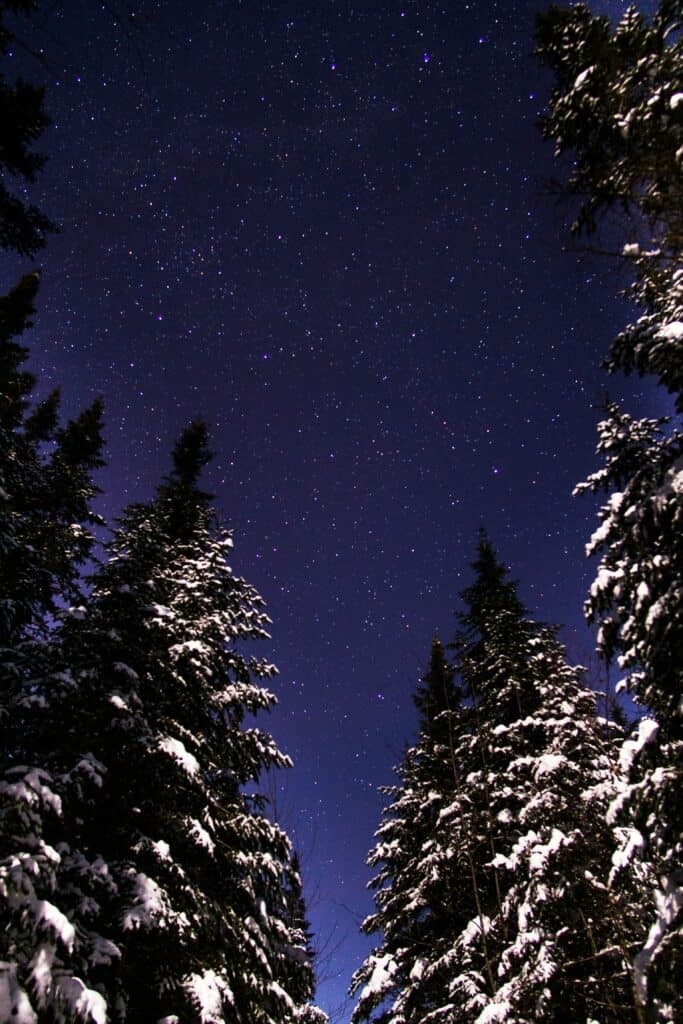
In that context, one simple wellbeing practice has become increasingly important to me: going into nature to find beauty and steadiness. Creation reminds us of forces greater than ourselves. The turning of seasons, the rootedness of trees, the quiet persistence of life – these things place us back in the story. They remind us that we are part of creation, that we belong. And that remembering is, in itself, healing.
The challenge, of course, is how to carry that sense of steadiness into everyday working life – particularly in January, when many of us are back at our desks, our inboxes full, the demands of life pressing in all at once.
Work–life balance is something I continue to struggle with. Like many people, I feel pulled by competing responsibilities: work, family, vocation, relationships, rest. It can feel like juggling too many balls, always afraid of dropping something important. A story shared by Margaret Wheatley has helped me reframe this entirely.
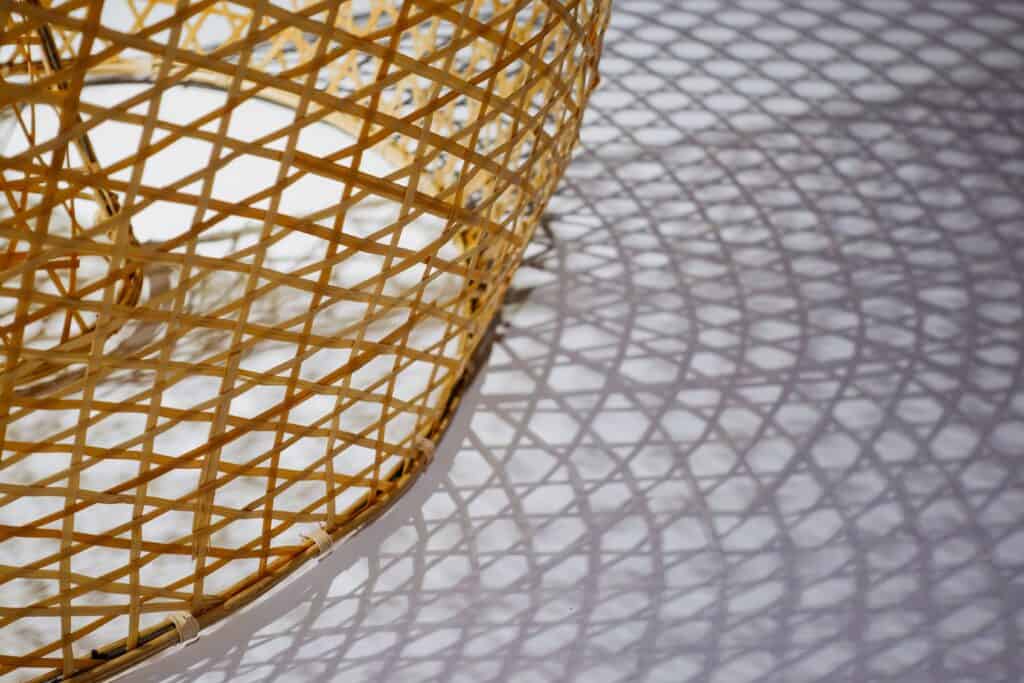
Wheatley describes our lives as a basket woven from many different strands, each strand representing a demand or responsibility. Every strand is essential if the basket is to be strong. Crucially, she points out that it is impossible to weave multiple strands at the same time. We must attend to the strand that requires our attention now, without losing awareness of the others. Each strand will receive our care – just not all at once.
She writes:
“I’m not juggling competing demands. I now give attention to where I am most needed, knowing that I will then move on to the next demand. The basket holds my life as I strengthen individual strands. I’m no longer on a teeter-totter – I am weaving my life into something whole and lovely.” Who do we choose to be? Margaret J. Wheatley (2023)
This image has stayed with me. It moves us away from anxiety and towards attentiveness. And importantly, the basket is not just for the individual. The act of weaving extends beyond the self, into community, into the webs of life we are already part of. Wheatley speaks of this as our “bundle of belonging.”
At GoHealth, this year we are evolving our overarching theme of belonging as healing. We do this because so many of us are longing for balance or perhaps, more truthfully, for wholeness – while also sensing a call to be healing presences in a wounded world. That calling is not meant to be carried alone. It is healthiest, and most faithful, when it is lived together.
Healing, at its deepest level, is about wholeness. And wholeness is inseparable from holiness. Holiness is not about individual perfection or moral heroics; it is about community. It is about being rightly related – to God, to one another, and to creation.
When community breaks down, we see the consequences everywhere: violence, tribalism, isolation, victimisation, illness, loss. These are often framed as individual problems requiring individual solutions. But they are not. They are signs of communal failure: failures of belonging, of care, of shared responsibility.
The response, then, is not to withdraw or to fix ourselves in isolation. The response is to continue weaving. To attend faithfully to what needs to be done – in our own lives and in our communities. To look honestly at the world as it is, and ask not “What is my purpose?” but “What needs to happen here?”
That, I believe, is where purpose is found. Not in self-definition, but in attentive love. Not in striving alone, but in belonging. And that is the work and the hope we continue to share at GoHealth.
Your next step with us in 2026?
Discover how GoHealth can equip you to be a healing presence:
Join the mailing list
It’s the best way to hear about all of our upcoming courses, events and news.

Listen to a podcast
This is a wonderful episode on leadership from Bishop Sarah Mullally as she prepares to become the Archbishop of Canterbury
Read an article
This article explores the power of vulnerability and compassion in leading from purpose and shaping a better world

Join the community
We’d love to welcome you! Membership includes monthly gatherings, weekly blessing, all the online courses, prayers and liturgies and a real place to belong. £5 per month

View our online courses
There are lots to choose from! Perhaps you are interested in mental health, healthy working, or being trauma informed.