


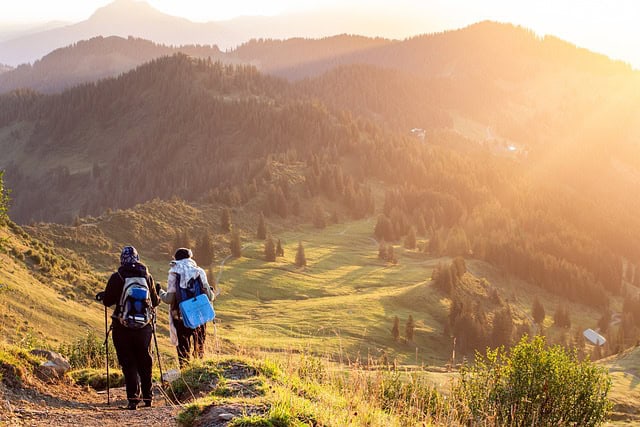
The benefits of walking for our mental, physical, emotional and spiritual wellbeing are well known. Where we choose to walk can enhance these benefits, as Gillian shared in last month’s blog about her dramatic expedition through the Larig Ghru. And who we walk with matters, whether walking solo, with others and with God.
I remember my excitement when the movie Wild came out. I’d read the book and loved it. I felt an unearned kinship with Cheryl Strayed. Unearned because I had only walked the Cape Wrath trail – a tough but much shorter trail, in north-west Scotland. She had walked the entire length of the Pacific Crest Trail, as featured in the book and movie. But my kinship was more about the healing we found by walking solo.
Cheryl explains how important the solo experience was for her, ‘I wasn’t out here to keep myself from having to say I am not afraid. I’d come, I realised, to stare that fear down, to stare everything down, really – all that I’d done to myself and all that had been done to me. I couldn’t do that while tagging along with someone else.’ I hadn’t set out with a clear reason for walking solo, I had just wanted to take on the challenge alone. But as is often the case, the reason we walk is revealed on the way.
I clearly remember the moment of revelation. I was completely sodden from the relentless rain. So much so the waiter scurried over with a binbag before I managed to sit down on a wicker chair in the Strathcarron tea room. I’d had a particularly challenging walk the day before and had been chastising myself for a map-reading error that had made it so. I had rerouted myself to the tearoom for some comfort and human connection. Feeling sorry for myself while scrolling social media I noticed the date and suddenly realised that it was ten years since I had been given a cancer diagnosis.
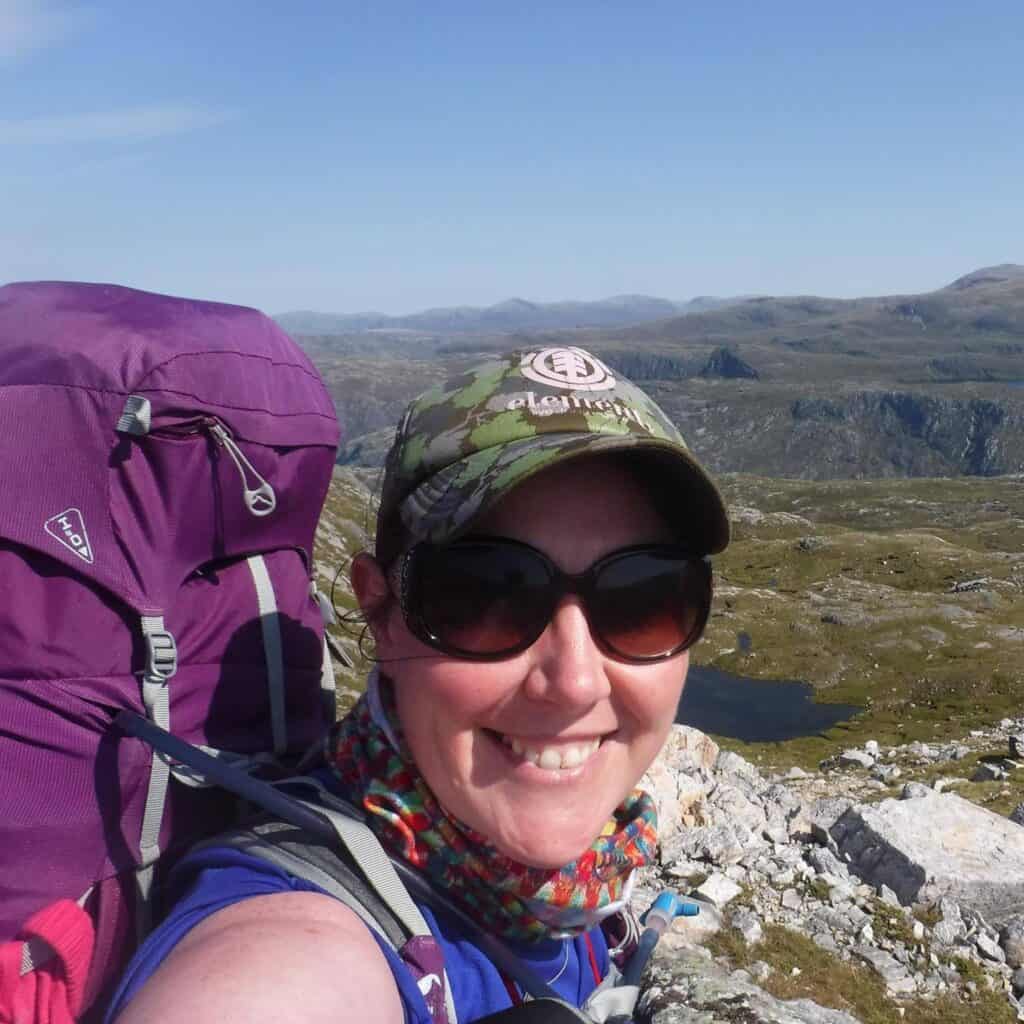
Ten years is a massive milestone in cancer land, as many of you reading this will know from personal experience. Statistics of survival are often given in five or ten year increments. I’d been told I’d be monitored for ten years. The realisation of reaching the ten year way marker created a literal step change on my walk.
I was now walking in celebration of this incredible body that continued to overcome so much. It turned out that walking the toughest trail in the UK was a perfect way to mark the endurance and uncertainty of cancer treatment, check-ups, scans, needles, sickness and survival. I hadn’t even planned it that way but walking is often the means by which revelation comes. I’m not sure that it was solved by walking, ‘Solvitur ambulando’, but I know it was a bit more healed by walking.
And I don’t think I would have experienced that healing without walking alone. I remain immeasurably grateful for the incredible support I received from family and friends during treatment for cancer. But it was an intensely solitary experience sitting in that hospital room after the last visitor left for the day. To walk alone made much more sense as a way to mark the endurance of cancer alone.
Another Holywood movie about walking, The Way, was also true to my experience of walking. This time walking with others. Like the four protagonists in the movie, I’d set out as a solo walker on the Camino de Santiago and by the end had become part of a tight knit unit of four pilgrims. The movie gradually reveals the backstory that motivated each of the pilgrims to set out alone. Despite their independent intentions, it was in journeying together that they found support, acceptance and healing. My experience of sitting on the rocks at Finnesterre, at the end of the Camino with my three walking companions was one of the richest experiences of friendship and silence that I’ve ever known.
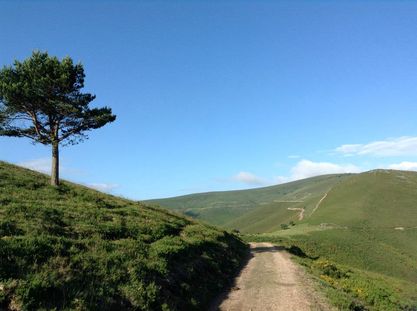
There is a time to walk alone and there is a time to walk together. And in both cases we walk with God. Bishop Stephen Cottrell, in his own reflections on his Camino de Santiago experience, captures this beautifully when he writes:
‘I was walking not to find God, but to spend time with God. But God can only be found in this step, never the one beyond it. God is never somewhere else.’
Bishop Stephen Cottrell